

.png)

.png)


Learning tool sharpening from scratch: how to master an in-demand profession and start earning
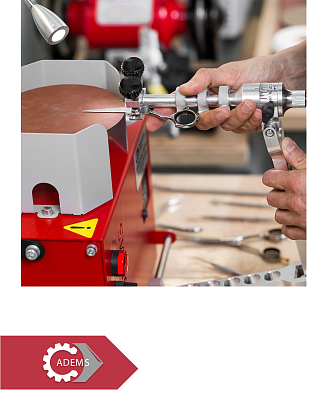
In recent years, more and more people are looking for opportunities to learn a new profession – one that allows them to work for themselves, earn a stable income, and avoid dependence on an employer. Tool sharpening is one such field.
Once considered a rare and little-known trade, the demand for qualified sharpeners is now growing steadily. Barbers, nail technicians, medical institutions, food industry businesses, and everyday tool owners all regularly require professional sharpening services.
That is why searches for "sharpening training", "sharpening courses", "how to become a sharpener", and "sharpener profession" are becoming increasingly popular.
In this article, we'll explore who this profession suits, what opportunities it offers, and how to start your journey in sharpening from scratch.
Why the sharpener profession is in demand again
The modern world is becoming increasingly technological, but quality tool sharpening still requires knowledge and a professional approach.
Thousands of tools are used every day, and over time they lose their sharpness:
● Manicure nippers and scissors
● Barber shears
● Clipper blade sets
● Medical instruments
● Household and professional knives
● Garden tools
Who is sharpening training suitable for?
One of the main advantages of this profession is that there are no strict requirements regarding age, education, or previous experience.
Almost anyone willing to learn and develop new skills can master sharpening.
Most commonly, people who come for training include:
● Men who want to work for themselves
● Veterans seeking a new career
● People who want to start their own business
● Beauty industry professionals
● Specialists looking for an additional source of income
● Those who have decided to change careers and learn an in-demand trade
No technical education or years of experience working with metal are required to get started.
What advantages does the sharpener profession offer?
The opportunity to work for yourself
After completing training, many specialists register as self-employed and start taking on their first clients within the first few months.
You decide for yourself:
● Your work schedule
● Your pricing
● Your order volume
● Your business development direction
A low barrier to entry
Compared to many other professions, starting a sharpening business requires relatively small initial investment.
Moreover, the market remains open in many towns and regions.
What skills does sharpening training provide?
At the International ADEMS Sharpening Academy, during the training, the future master gains comprehensive knowledge:
Understanding tool construction
The specialist learns to identify:
● Design features
● Tool purpose
● Causes of wear
Working with different tool types
Depending on the training programme, you can learn to sharpen:
● Manicure tools
● Barber shears
● Knives
● Medical instruments
● Garden tools
The main goal is to provide students with skills they can immediately apply in practice. That is why great emphasis is placed on real work with tools.
How to become a sharpener from scratch
If you're considering this profession, the sequence of steps is quite straightforward.
Step 1. Choose your direction
Decide which type of tool you want to work with:
● Manicure
● Barber
● Household
● Medical
● Universal
Step 2. Complete your training
Quality courses help you avoid mistakes and significantly accelerate your path to your first orders. You can study in person or through video courses.
Step 3. Master the equipment
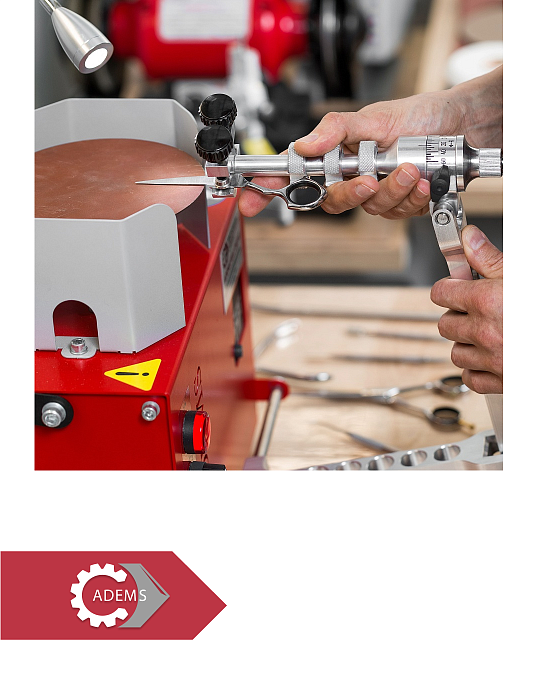
Experience shows that modern machines allow you to achieve quality results faster and work confidently – even for beginners.
Step 4. Find your first clients
You can start with:
● Friends and acquaintances
● Beauty salons
● Barbershops
● Online classifieds
● Social media
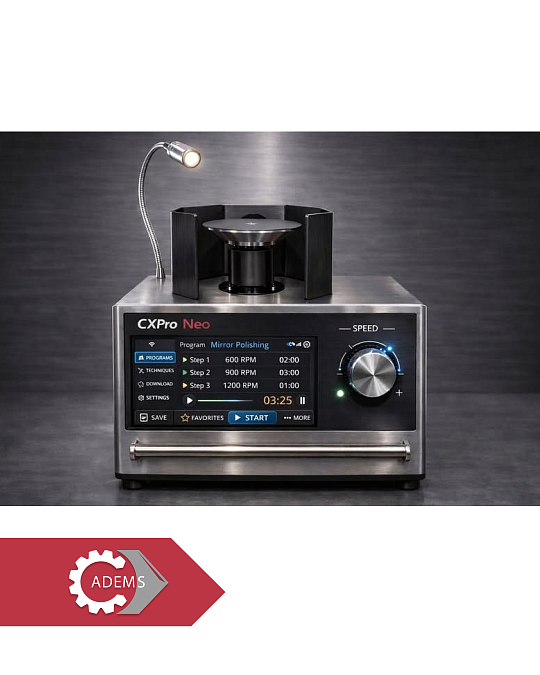
One of the well-known manufacturers of such equipment is ADEMS.
The company not only produces sharpening machines for various types of tools but also helps beginners master the profession through training and practical preparation.
This approach allows you to move more quickly from learning to your first orders and real earnings.
Conclusion
Today, the sharpener profession is not an outdated craft but a modern specialisation that combines manual skill and technology.
Sharpening training allows you to:
✔ Learn a new profession from scratch
✔ Gain in-demand skills
✔ Start working for yourself
✔ Open your own business
✔ Create a stable source of income
Other ADEMS news
.png)