Equipment catalog

A Gentleman's Set: What Sharpening Tools Every Man Should Have at Home

A Gentleman's Set: What Sharpening Tools Every Man Should Have at Home

A Gentleman's Workshop: Where Order Meets Craftsmanship

Sharpening knives is not just a household necessity. It is a ritual requiring focus, precision, and the right tools. A real man understands: a quality sharpening set is just as essential a part of the home arsenal as a good suit in the wardrobe or a collection of fine whiskey in the bar.

In an era when more and more men are returning to conscious consumption and value things made to last, a sharpening machine becomes not just a utilitarian device, but a symbol of order, self-sufficiency, and respect for one's tools.

Why a Sharpening Set is More Than Just a Tool

The Philosophy of a Sharp Blade

A dull knife in the kitchen is not only an inconvenience but also a sign of disrespect for the cooking process. A sharp blade transforms routine cooking into a meditative act, where every cut is precise and the outcome predictable.

Sharpening tools in a modern man's home represent:
• An element of personal style — a reflection of attention to detail.
• Practicality — saving on professional sharpening services.
• Independence — the ability to sharpen a tool anytime.
• A therapeutic effect — the sharpening process as a form of meditation.

Men's Home Accessories: A New Aesthetic of Functionality

The days when a man's space was limited to a garage with tools scattered haphazardly are over. The modern approach is thoughtful organization, where every item has its place, and functionality is combined with aesthetics.

New-generation men's home accessories include:
• Sharpening machines with minimalist design.
• Sets of sharpening stones in wooden cases.
• Organizers for storing sharpening equipment.

These items aren't hidden away in a drawer; they become part of the interior of a workshop, study, or even the kitchen.

What You Need for Sharpening: The Essential Gentleman's Set

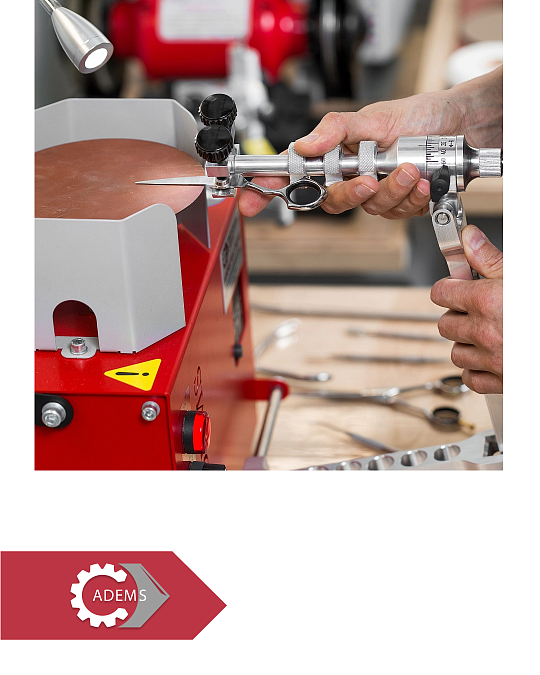
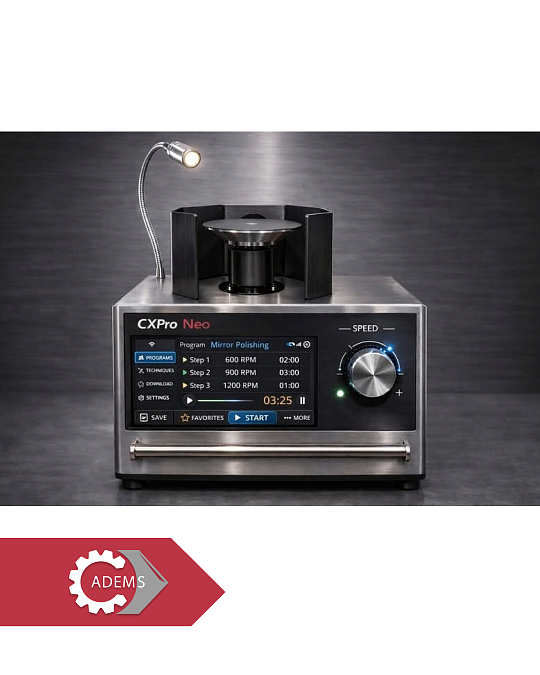
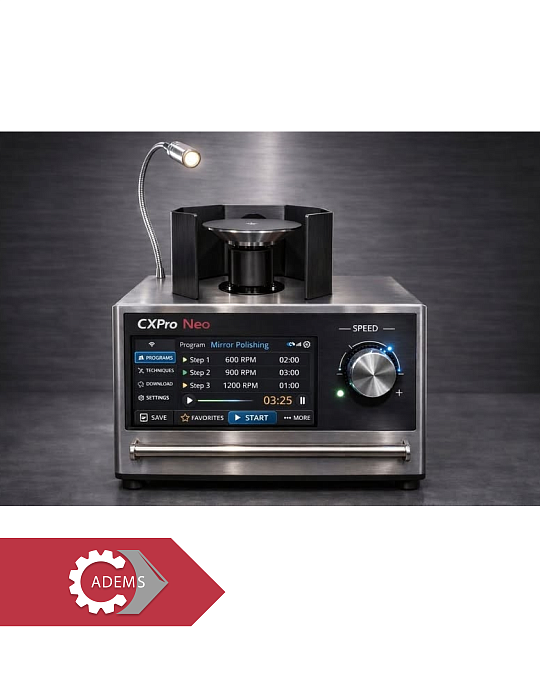
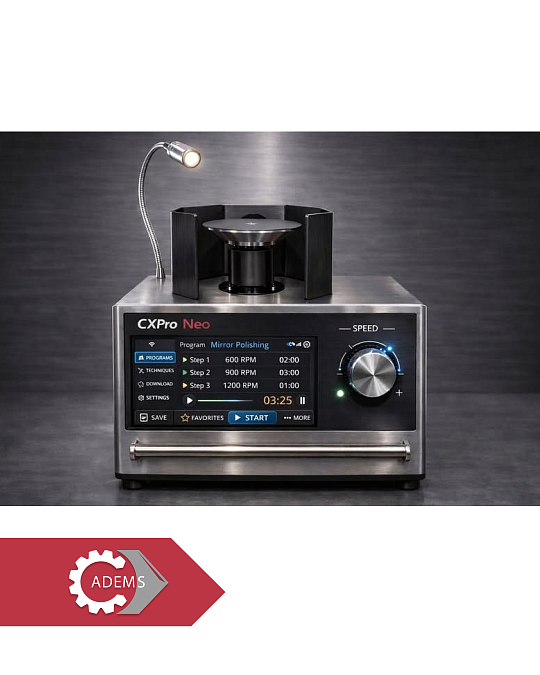
ADEMS Tesar 

If you are just starting to build your sharpening kit, begin with the basics:
We have gathered everything you need in a ready-made kit: A set for sharpening household tools

Sharpening Tools: How to Choose Based on Your Needs

Define Your Usage Profile

For the kitchen, for hobbies and collecting:
• Focus on speed and convenience.
• Suitable: An electric sharpening machine.
• Result: Sharp knives in 5-10 minutes.

For the workshop, consider:
• Versatility and a wide range of tasks.
• Suitable: A professional machine + hand stones + diamond stones.
• Result: The ability to sharpen any tool.

Organizing a Man's Space: Where to Store Your Sharpening Set

Principles of Proper Storage

What do you need for sharpening besides the tools themselves? Proper space organization:
Consider wall-mounted organizers with mounts, a work surface with non-slip coating, and an exhaust hood. Good lighting for the sharpening area is, of course, very important.

The Aesthetics of the Process

The modern approach to men's home accessories means the sharpening process becomes not just a technical procedure, but a kind of ritual:
• Preparing the workspace — cleaning the surface, preparation.
• Choosing musical accompaniment — jazz or classical for concentration.
• Proper lighting — natural or directed light.
• Finishing — cleaning tools, checking the result.

Sharpening Technique: Basic Principles a Gentleman Should Remember

1. The sharpening angle.

2. The direction of movement.

3. Checking sharpness.

Common Beginner Mistakes
❌ Excessive pressure — leads to uneven sharpening.
✅ Correct: Moderate, even force.
❌ Changing the angle during the process — creates a rolled edge.
✅ Correct: Using guides at the initial stage.
❌ Neglecting finishing — leaves burrs.
✅ Correct: Polishing on a fine-grit stone or machine.

Psychological Value

What sharpening provides in a psychological sense:
• Control — managing the process from start to finish.
• Mindfulness — concentration on the present moment.
• Mastery — visible progress in skill.
• Satisfaction — from the result of your own work.

This is an investment not only in tools but also in quality of life.

The Culture of Sharpening: Community and Skill Development

Where to Learn

Offline:
• Masterclasses in specialized schools.
• Courses from professional sharpeners.
• Knife enthusiast clubs.

Development from Hobby to Mastery

Stage 1: Mastering the Basics (Sharpening kitchen knives, Developing muscle memory).
Stage 2: Expanding Capabilities (Sharpening different types of blades, Mastering the full cycle from coarse sharpening to polishing, Experimenting with angles and techniques).
Stage 3: Mastery.

What to Check When Buying

Sharpening Machines:
• Smoothness of mechanism movement.
• Build quality (play, noise).
• Presence of overheating protection.
• Warranty obligations.

Sets:
• Completeness.
• Compliance with stated specifications.
• Manufacturer's reputation.

The Environmental Aspect

Sharpening vs. Replacement

Sharpening tools are a contribution to sustainable consumption:

Resource Savings:
• One knife lasts for decades instead of being replaced yearly.
• Reduction in production emissions.
• Less packaging material.
• Reduced transportation costs.

Philosophy:
• Shift from disposability to durability.
• Repair instead of replacement.
• Value of quality items.
• Passing tools down through generations.

A Sharpening Set as a Gift

Who It's For

Ideal recipients:
✓ Beginner cooks and culinary enthusiasts.
✓ Owners of country houses.
✓ Camping and outdoor enthusiasts.
✓ Knife collectors.
✓ Men who appreciate quality tools.
✓ Those who "already have everything."

Occasion:
• Birthday.
• Housewarming.
• Professional holiday.
• "Just because" for a loved one.

Conclusion: The Philosophy of a Sharp Blade

A sharpening set is more than just a collection of tools. It is:
• An investment in the quality of everyday life.
• A skill that will last a lifetime.
• A ritual that structures time.
• A philosophy of respect for the tool and the process.
• A style reflecting attention to detail.

Men's home accessories of the new era combine functionality, aesthetics, and meaning. A sharpening machine is not just a useful item, but an element of the modern gentleman's lifestyle.

Remember: what you ultimately need for sharpening is not just the right tools, but the right attitude. A sharp blade begins with the desire to bring order to your space, with respect for things and processes.

The Next Step

Ready to create your own gentleman's sharpening set? At adems-International.com , you will find carefully curated kits for every level — from basic solutions for beginners to professional equipment for perfectionists.

Sharpening tools from ADEMS are a guarantee of quality, European design, and attention to detail. Each set is assembled with the understanding that sharpening is not just a procedure, but part of the philosophy of a quality life.

• Link to the ADEMS sharpening machine catalog

ADEMS — men's home accessories where functionality meets aesthetics.

Other ADEMS news
Aprender el afilado de herramientas desde cero: cómo dominar una profesión con demanda y empezar a ganar dinero
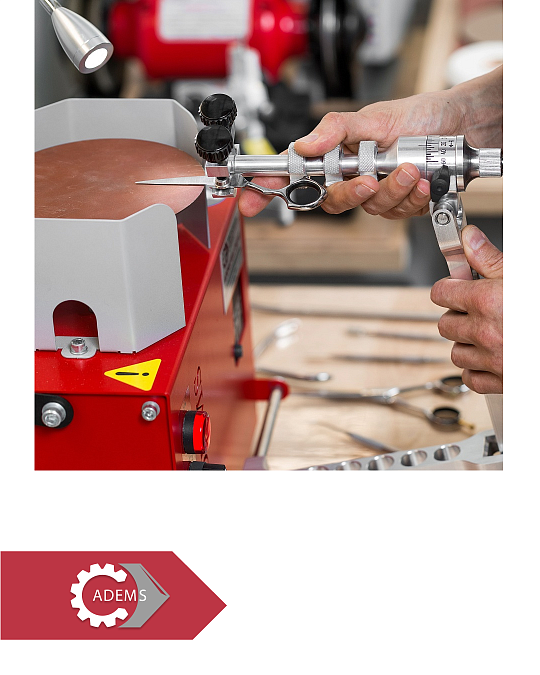
Aprender el afilado de herramientas desde cero: cómo dominar una profesión con demanda y empezar a ganar dinero En los últimos años, cada vez más personas buscan oportunidades para aprender una nueva profesión – una que les permita trabajar por cuenta propia, obtener ingresos estables y no depender de un empleador. El afilado de herramientas es uno de esos campos. Antes considerado un oficio poco común y desconocido, la demanda de afiladores cualificados no deja de crecer. Peluqueros, técnicos de uñas, instituciones médicas, empresas de la industria alimentaria y propietarios de herramientas comunes necesitan regularmente servicios de afilado profesional. Por eso, las búsquedas de "formación en afilado", "cursos de afilado", "cómo convertirse en afilador" y "profesión de afilador" son cada vez más populares. En este artículo, veremos a quién se adapta esta profesión, qué perspectivas ofrece y cómo empezar tu camino en el afilado desde cero. Por qué la profesión de afilador vuelve a tener demanda El mundo moderno es cada vez más tecnológico, pero el afilado de calidad de las herramientas sigue requiriendo conocimientos y un enfoque profesional. Cada día se utilizan miles de herramientas que, con el tiempo, pierden su filo: ● Alicates y tijeras de manicura ● Tijeras de peluquería ● Bloques de cuchillas de cortapelos ● Instrumentos médicos ● Cuchillos domésticos y profesionales ● Herramientas de jardín ¿A quién se adapta la formación en afilado? Una de las principales ventajas de esta profesión es que no existen requisitos estrictos en cuanto a edad, educación o experiencia previa. Casi cualquier persona dispuesta a aprender y desarrollar nuevas habilidades puede dominar el afilado. Las personas que suelen acudir a la formación son: ● Hombres que desean trabajar por cuenta propia ● Veteranos que buscan una nueva carrera ● Personas que quieren montar su propio negocio ● Profesionales del sector de la belleza ● Especialistas que buscan una fuente de ingresos adicional ● Aquellos que han decidido cambiar de carrera y aprender un oficio con demanda Para empezar no se necesita formación técnica ni años de experiencia trabajando con metal. ¿Qué ventajas ofrece la profesión de afilador? La posibilidad de trabajar por cuenta propia Tras completar la formación, muchos especialistas se dan de alta como autónomos y empiezan a aceptar sus primeros clientes en los primeros meses. Usted mismo decide: ● Su horario de trabajo ● Sus precios ● Su volumen de pedidos ● La orientación del desarrollo de su negocio Barrera de entrada baja En comparación con muchas otras profesiones, poner en marcha un negocio de afilado requiere una inversión inicial relativamente baja. Además, el mercado sigue abierto en muchas ciudades y regiones. ¿Qué habilidades proporciona la formación en afilado? En la Academia Internacional de Afilado ADEMS, durante la formación, el futuro maestro adquiere conocimientos completos: Comprensión de la construcción de la herramienta El especialista aprende a identificar: ● Las características de diseño ● La función de la herramienta ● Las causas del desgaste Trabajo con diferentes tipos de herramientas Según el programa de formación, se puede aprender a afilar: ● Herramientas de manicura ● Tijeras de peluquería ● Cuchillos ● Instrumentos médicos ● Herramientas de jardín El objetivo principal es proporcionar a los alumnos habilidades que puedan aplicar inmediatamente en la práctica. Por eso se da gran importancia al trabajo real con las herramientas. Cómo convertirse en afilador desde cero Si estás considerando esta profesión, la secuencia de pasos es bastante sencilla. Paso 1. Elige tu dirección Decide con qué tipo de herramienta quieres trabajar: ● Manicura ● Peluquería ● Doméstica ● Médica ● Universal Paso 2. Realiza una formación Unos cursos de calidad te ayudan a evitar errores y aceleran considerablemente tu camino hacia los primeros pedidos. Puedes aprender en persona o a través de cursos en vídeo. Paso 3. Domina el equipo La práctica demuestra que las máquinas modernas permiten obtener resultados de calidad más rápidamente y trabajar con confianza – incluso para los principiantes. Paso 4. Encuentra tus primeros clientes Puedes empezar por: ● Conocidos ● Salones de belleza ● Barberías ● Anuncios en línea ● Redes sociales Uno de los fabricantes más reconocidos de estos equipos es ADEMS. La empresa no solo produce máquinas de afilado para diferentes tipos de herramientas, sino que también ayuda a los principiantes a dominar la profesión a través de la formación y la preparación práctica. Este enfoque te permite pasar más rápidamente del aprendizaje a tus primeros pedidos y a unos ingresos reales. Conclusión Hoy en día, la profesión de afilador no es un oficio obsoleto, sino una especialización moderna que combina la destreza manual con la tecnología. La formación en afilado te permite: ✔ Aprender una nueva profesión desde cero ✔ Adquirir habilidades con demanda ✔ Empezar a trabajar por cuenta propia ✔ Montar tu propio negocio ✔ Crear una fuente de ingresos estable La clave está en empezar con una formación de calidad, práctica regular y el equipo adecuado.
More
Apprendre l'affûtage d'outils à partir de zéro : comment maîtriser un métier recherché et commencer à gagner de l'argent
Apprendre l'affûtage d'outils à partir de zéro : comment maîtriser un métier recherché et commencer à gagner de l'argent Ces dernières années, de plus en plus de personnes cherchent des opportunités pour apprendre un nouveau métier – un métier qui leur permette de travailler à leur compte, de gagner un revenu stable et de ne pas dépendre d'un employeur. L'affûtage d'outils est l'un de ces domaines. Autrefois considéré comme un métier rare et peu connu, la demande pour des affûteurs qualifiés ne cesse aujourd'hui de croître. Les coiffeurs, les prothésistes ongulaires, les établissements médicaux, les entreprises de l'industrie alimentaire et les propriétaires d'outils ordinaires ont régulièrement besoin de services d'affûtage professionnels. C'est pourquoi les recherches pour « formation à l'affûtage », « cours d'affûtage », « comment devenir affûteur » et « métier d'affûteur » deviennent de plus en plus populaires. Dans cet article, nous verrons à qui ce métier convient, quelles perspectives il offre et comment commencer votre parcours dans l'affûtage à partir de zéro. Pourquoi le métier d'affûteur est à nouveau demandé Le monde moderne devient de plus en plus technologique, mais l'affûtage de qualité des outils exige toujours des connaissances et une approche professionnelle. Des milliers d'outils sont utilisés chaque jour et, avec le temps, ils perdent leur tranchant : ● Coupe-ongles et ciseaux de manucure ● Ciseaux de coiffure ● Blocs de lames de tondeuses ● Instruments médicaux ● Couteaux domestiques et professionnels ● Outils de jardin À qui s'adresse la formation à l'affûtage ? L'un des principaux avantages de ce métier est qu'il n'y a pas d'exigences strictes en matière d'âge, de diplôme ou d'expérience préalable. Presque toute personne prête à apprendre et à développer de nouvelles compétences peut maîtriser l'affûtage. Les personnes qui viennent suivre une formation sont le plus souvent : ● Des hommes qui souhaitent travailler à leur compte ● Des vétérans à la recherche d'une nouvelle carrière ● Des personnes qui veulent créer leur propre entreprise ● Des professionnels du secteur de la beauté ● Des spécialistes qui cherchent une source de revenus supplémentaire ● Ceux qui ont décidé de changer de carrière et d'apprendre un métier recherché Pour commencer, ni formation technique ni années d'expérience dans le travail du métal ne sont requises. Quels sont les avantages du métier d'affûteur ? La possibilité de travailler à son compte Après avoir terminé leur formation, de nombreux spécialistes s'inscrivent en tant qu'auto-entrepreneurs et commencent à accepter leurs premiers clients dans les premiers mois. Vous décidez vous-même : ● Votre emploi du temps ● Vos tarifs ● Votre volume de commandes ● L'orientation du développement de votre entreprise Une barrière à l'entrée basse Comparé à de nombreux autres métiers, le lancement d'une entreprise d'affûtage nécessite un investissement initial relativement faible. De plus, le marché reste ouvert dans de nombreuses villes et régions. Quelles compétences la formation à l'affûtage apporte-t-elle ? À l'Académie Internationale d'Affûtage ADEMS, lors de la formation, le futur maître acquiert des connaissances complètes : Compréhension de la construction de l'outil Le spécialiste apprend à identifier : ● Les caractéristiques de conception ● La fonction de l'outil ● Les causes de l'usure Travail avec différents types d'outils Selon le programme de formation, vous pouvez apprendre à affûter : ● Les outils de manucure ● Les ciseaux de coiffure ● Les couteaux ● Les instruments médicaux ● Les outils de jardin L'objectif principal est de fournir aux élèves des compétences qu'ils peuvent immédiatement appliquer dans la pratique. C'est pourquoi une grande importance est accordée au travail réel avec les outils. Comment devenir affûteur à partir de zéro ? Si vous envisagez ce métier, la séquence des étapes est assez simple. Étape 1. Choisissez votre direction Décidez avec quel type d'outil vous souhaitez travailler : ● Manucure ● Coiffure ● Domestique ● Médical ● Universel Étape 2. Suivez une formation Des cours de qualité vous aident à éviter les erreurs et accélèrent considérablement votre chemin vers vos premières commandes. Vous pouvez apprendre en présentiel ou par le biais de cours vidéo. Étape 3. Maîtrisez l'équipement La pratique montre que les machines modernes permettent d'obtenir plus rapidement des résultats de qualité et de travailler en toute confiance – même pour les débutants. Étape 4. Trouvez vos premiers clients Vous pouvez commencer par : ● Des connaissances ● Des salons de beauté ● Des barbiers ● Des petites annonces en ligne ● Les réseaux sociaux L'un des fabricants renommés de ces équipements est ADEMS. L'entreprise ne se contente pas de produire des machines à affûter pour différents types d'outils, elle aide également les débutants à maîtriser le métier grâce à une formation et une préparation pratique. Cette approche vous permet de passer plus rapidement de l'apprentissage à vos premières commandes et à un revenu réel. Conclusion Aujourd'hui, le métier d'affûteur n'est plus un artisanat obsolète, mais une spécialisation moderne qui allie le savoir-faire manuel et la technologie. La formation à l'affûtage vous permet : ✔ D'apprendre un nouveau métier à partir de zéro ✔ D'acquérir des compétences recherchées ✔ De commencer à travailler à votre compte ✔ De créer votre propre entreprise ✔ De générer une source de revenus stable La clé est de commencer par une formation de qualité, une pratique régulière et le bon équipement.
More
Das Schärfen von Werkzeugen von Grund auf lernen: Wie Sie einen gefragten Beruf erlernen und mit dem Geldverdienen beginnen
Das Schärfen von Werkzeugen von Grund auf lernen: Wie Sie einen gefragten Beruf erlernen und mit dem Geldverdienen beginnen In den letzten Jahren suchen immer mehr Menschen nach Möglichkeiten, einen neuen Beruf zu erlernen – einen, der es ihnen ermöglicht, für sich selbst zu arbeiten, ein stabiles Einkommen zu erzielen und nicht von einem Arbeitgeber abhängig zu sein. Das Schärfen von Werkzeugen ist ein solcher Bereich. Einst als seltenes und wenig bekanntes Handwerk angesehen, steigt die Nachfrage nach qualifizierten Schärfern heute stetig. Friseure, Nageltechniker, medizinische Einrichtungen, Unternehmen der Lebensmittelindustrie und normale Werkzeugbesitzer benötigen regelmäßig professionelle Schärdienste. Aus diesem Grund werden Suchbegriffe wie „Schärfen lernen“, „Schärfkurs“, „wie wird man Schärfer“ und „Beruf Schärfer“ immer beliebter. In diesem Artikel erfahren Sie, für wen dieser Beruf geeignet ist, welche Perspektiven er bietet und wie Sie Ihre Reise in die Welt des Schärfens von Grund auf beginnen können. Warum der Beruf des Schärfers wieder gefragt ist Die moderne Welt wird immer technologischer, aber das qualitative Schärfen von Werkzeugen erfordert nach wie vor Wissen und einen professionellen Ansatz. Täglich werden Tausende von Werkzeugen verwendet, die mit der Zeit ihre Schärfe verlieren: ● Manikürezangen und -scheren ● Friseurscheren ● Messerblöcke von Haarschneidemaschinen ● Medizinische Instrumente ● Haushalts- und Berufsmesser ● Gartengeräte Für wen ist die Schärferausbildung geeignet? Einer der Hauptvorteile dieses Berufs ist, dass es keine strengen Anforderungen an Alter, Ausbildung oder Vorerfahrung gibt. Fast jeder, der bereit ist zu lernen und neue Fähigkeiten zu entwickeln, kann das Schärfen erlernen. Am häufigsten kommen Personen zur Ausbildung, die: ● Männer, die für sich selbst arbeiten möchten ● Veteranen, die einen neuen Beruf suchen ● Menschen, die ihr eigenes Unternehmen gründen möchten ● Fachkräfte aus der Beauty-Branche ● Spezialisten, die eine zusätzliche Einkommensquelle planen ● Diejenigen, die sich entschieden haben, den Beruf zu wechseln und ein gefragtes Handwerk zu erlernen Für den Einstieg ist weder eine technische Ausbildung noch jahrelange Erfahrung in der Arbeit mit Metall erforderlich. Welche Vorteile bietet der Beruf des Schärfers? Die Möglichkeit, für sich selbst zu arbeiten Nach Abschluss der Ausbildung melden sich viele Spezialisten als selbstständig an und nehmen bereits in den ersten Monaten ihre ersten Kunden an. Sie bestimmen selbst: ● Ihren Arbeitszeitplan ● Ihre Preise ● Ihr Auftragsvolumen ● Die Richtung Ihrer Geschäftsentwicklung Niedrige Einstiegshürde Im Vergleich zu vielen anderen Berufen erfordert die Gründung eines Schärfbetriebs relativ geringe Anfangsinvestitionen. Darüber hinaus ist der Markt in vielen Städten und Regionen noch nicht gesättigt. Welche Fähigkeiten vermittelt die Schärferausbildung? An der Internationalen ADEMS Schärfakademie erhält der zukünftige Meister während der Ausbildung umfassende Kenntnisse: Verständnis des Werkzeugaufbaus Der Spezialist lernt zu erkennen: ● Konstruktionsmerkmale ● Werkzeugzweck ● Ursachen von Verschleiß Arbeiten mit verschiedenen Werkzeugtypen Je nach Ausbildungsprogramm können Sie das Schärfen lernen von: ● Maniküre-Werkzeugen ● Friseurscheren ● Messern ● Medizinischen Instrumenten ● Gartengeräten Das Hauptziel ist es, den Schülern Fähigkeiten zu vermitteln, die sie sofort in der Praxis anwenden können. Deshalb wird großer Wert auf die praktische Arbeit mit Werkzeugen gelegt. Wie wird man Schärfer von Grund auf? Wenn Sie diesen Beruf in Betracht ziehen, ist die Abfolge der Schritte recht einfach. Schritt 1. Wählen Sie Ihre Richtung Entscheiden Sie, mit welchem Werkzeugtyp Sie arbeiten möchten: ● Maniküre ● Friseur ● Haushalt ● Medizin ● Universell Schritt 2. Absolvieren Sie eine Ausbildung Hochwertige Kurse helfen Ihnen, Fehler zu vermeiden und beschleunigen Ihren Weg zu den ersten Aufträgen erheblich. Sie können entweder in Präsenz oder über Videokurse lernen. Schritt 3. Beherrschen Sie die Ausrüstung Die Praxis zeigt, dass moderne Maschinen es ermöglichen, schneller qualitativ hochwertige Ergebnisse zu erzielen und sicher zu arbeiten – selbst für Anfänger. Schritt 4. Finden Sie Ihre ersten Kunden Sie können beginnen mit: ● Bekannten ● Schönheitssalons ● Barbershops ● Online-Kleinanzeigen ● Sozialen Medien Einer der bekannten Hersteller solcher Geräte ist ADEMS. Das Unternehmen stellt nicht nur Schärfmaschinen für verschiedene Werkzeugtypen her, sondern hilft Anfängern auch dabei, den Beruf durch Schulungen und praktische Vorbereitung zu erlernen. Dieser Ansatz ermöglicht es Ihnen, schneller vom Lernen zu Ihren ersten Aufträgen und zu einem echten Einkommen zu gelangen. Fazit Heute ist der Beruf des Schärfers kein veraltetes Handwerk mehr, sondern eine moderne Spezialisierung, die handwerkliches Geschick mit Technologie verbindet. Die Schärferausbildung ermöglicht es Ihnen: ✔ Einen neuen Beruf von Grund auf zu erlernen ✔ Gefragte Fähigkeiten zu erwerben ✔ Für sich selbst zu arbeiten ✔ Ihr eigenes Unternehmen zu gründen ✔ Eine stabile Einkommensquelle zu schaffen Der Schlüssel liegt darin, mit einer hochwertigen Ausbildung, praktischer Übung und der richtigen Ausrüstung zu beginnen.
More
Learning tool sharpening from scratch: how to master an in-demand profession and start earning
Learning tool sharpening from scratch: how to master an in-demand profession and start earning In recent years, more and more people are looking for opportunities to learn a new profession – one that allows them to work for themselves, earn a stable income, and avoid dependence on an employer. Tool sharpening is one such field. Once considered a rare and little-known trade, the demand for qualified sharpeners is now growing steadily. Barbers, nail technicians, medical institutions, food industry businesses, and everyday tool owners all regularly require professional sharpening services. That is why searches for "sharpening training", "sharpening courses", "how to become a sharpener", and "sharpener profession" are becoming increasingly popular. In this article, we'll explore who this profession suits, what opportunities it offers, and how to start your journey in sharpening from scratch. Why the sharpener profession is in demand again The modern world is becoming increasingly technological, but quality tool sharpening still requires knowledge and a professional approach. Thousands of tools are used every day, and over time they lose their sharpness: ● Manicure nippers and scissors ● Barber shears ● Clipper blade sets ● Medical instruments ● Household and professional knives ● Garden tools Who is sharpening training suitable for? One of the main advantages of this profession is that there are no strict requirements regarding age, education, or previous experience. Almost anyone willing to learn and develop new skills can master sharpening. Most commonly, people who come for training include: ● Men who want to work for themselves ● Veterans seeking a new career ● People who want to start their own business ● Beauty industry professionals ● Specialists looking for an additional source of income ● Those who have decided to change careers and learn an in-demand trade No technical education or years of experience working with metal are required to get started. What advantages does the sharpener profession offer? The opportunity to work for yourself After completing training, many specialists register as self-employed and start taking on their first clients within the first few months. You decide for yourself: ● Your work schedule ● Your pricing ● Your order volume ● Your business development direction A low barrier to entry Compared to many other professions, starting a sharpening business requires relatively small initial investment. Moreover, the market remains open in many towns and regions. What skills does sharpening training provide? At the International ADEMS Sharpening Academy, during the training, the future master gains comprehensive knowledge: Understanding tool construction The specialist learns to identify: ● Design features ● Tool purpose ● Causes of wear Working with different tool types Depending on the training programme, you can learn to sharpen: ● Manicure tools ● Barber shears ● Knives ● Medical instruments ● Garden tools The main goal is to provide students with skills they can immediately apply in practice. That is why great emphasis is placed on real work with tools. How to become a sharpener from scratch If you're considering this profession, the sequence of steps is quite straightforward. Step 1. Choose your direction Decide which type of tool you want to work with: ● Manicure ● Barber ● Household ● Medical ● Universal Step 2. Complete your training Quality courses help you avoid mistakes and significantly accelerate your path to your first orders. You can study in person or through video courses. Step 3. Master the equipment Experience shows that modern machines allow you to achieve quality results faster and work confidently – even for beginners. Step 4. Find your first clients You can start with: ● Friends and acquaintances ● Beauty salons ● Barbershops ● Online classifieds ● Social media One of the well-known manufacturers of such equipment is ADEMS. The company not only produces sharpening machines for various types of tools but also helps beginners master the profession through training and practical preparation. This approach allows you to move more quickly from learning to your first orders and real earnings. Conclusion Today, the sharpener profession is not an outdated craft but a modern specialisation that combines manual skill and technology. Sharpening training allows you to: ✔ Learn a new profession from scratch ✔ Gain in-demand skills ✔ Start working for yourself ✔ Open your own business ✔ Create a stable source of income The key is to start with quality training, practice, and the right equipment.
More
✕
View system
Callback order